Locked
−30%
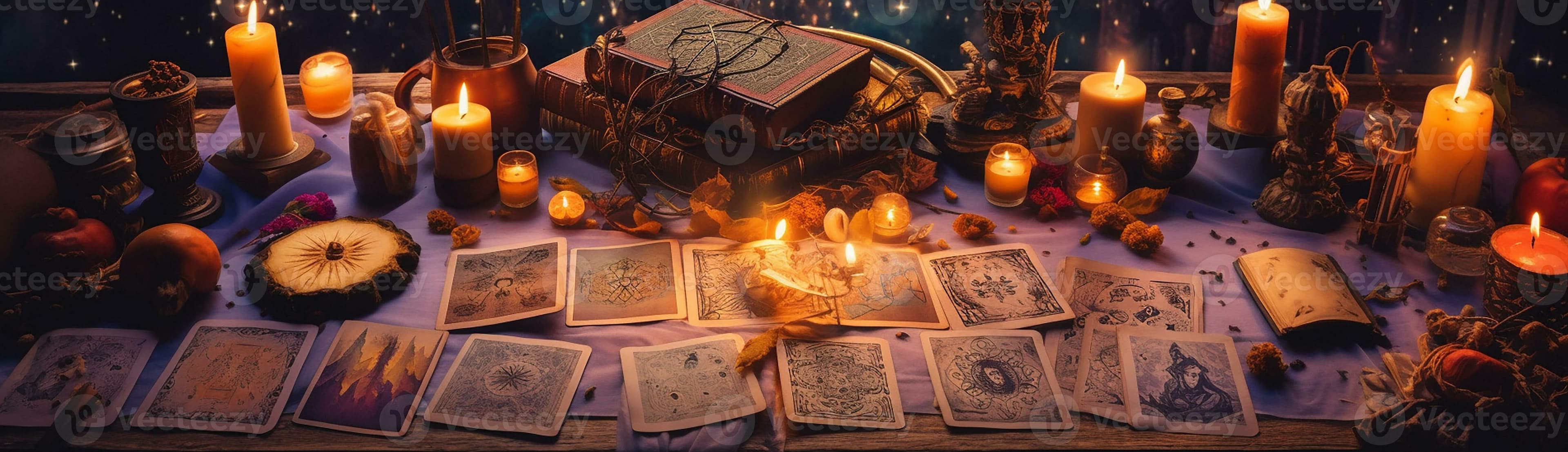
Interactive decks, cinematic spreads, and an AI guide — your ritual begins in one click.
Spreads saved
Curated decks
Active readers
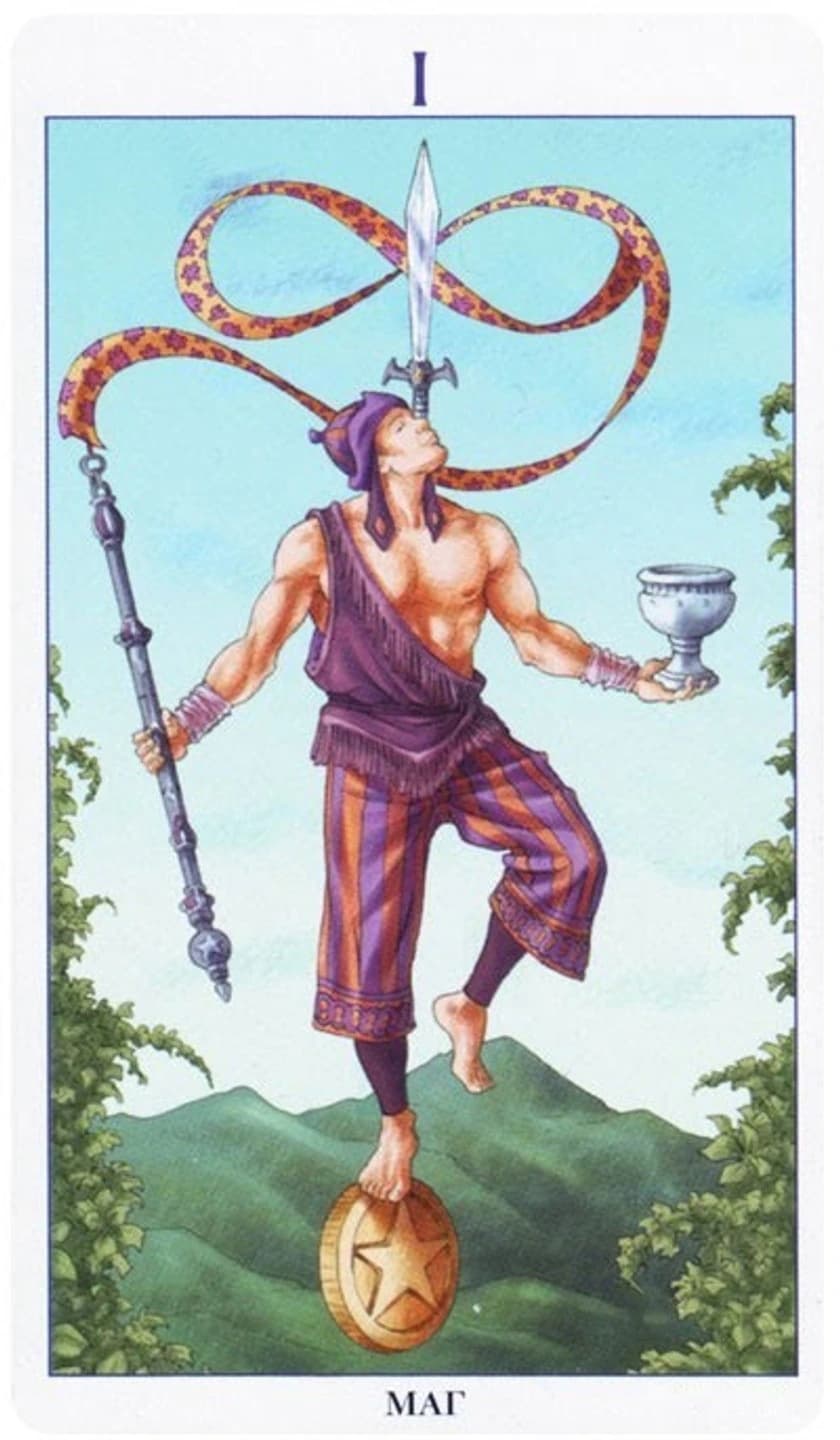
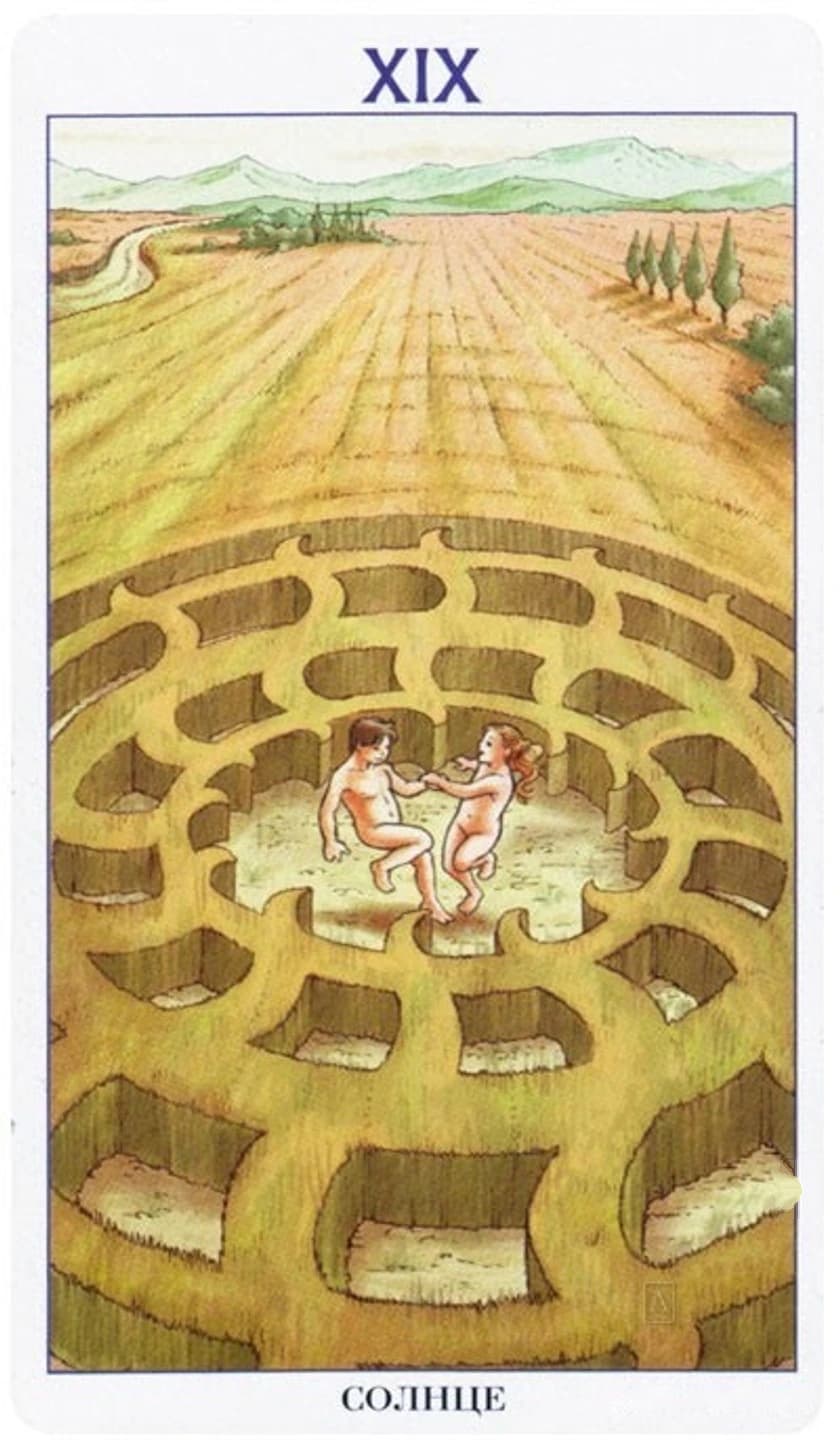
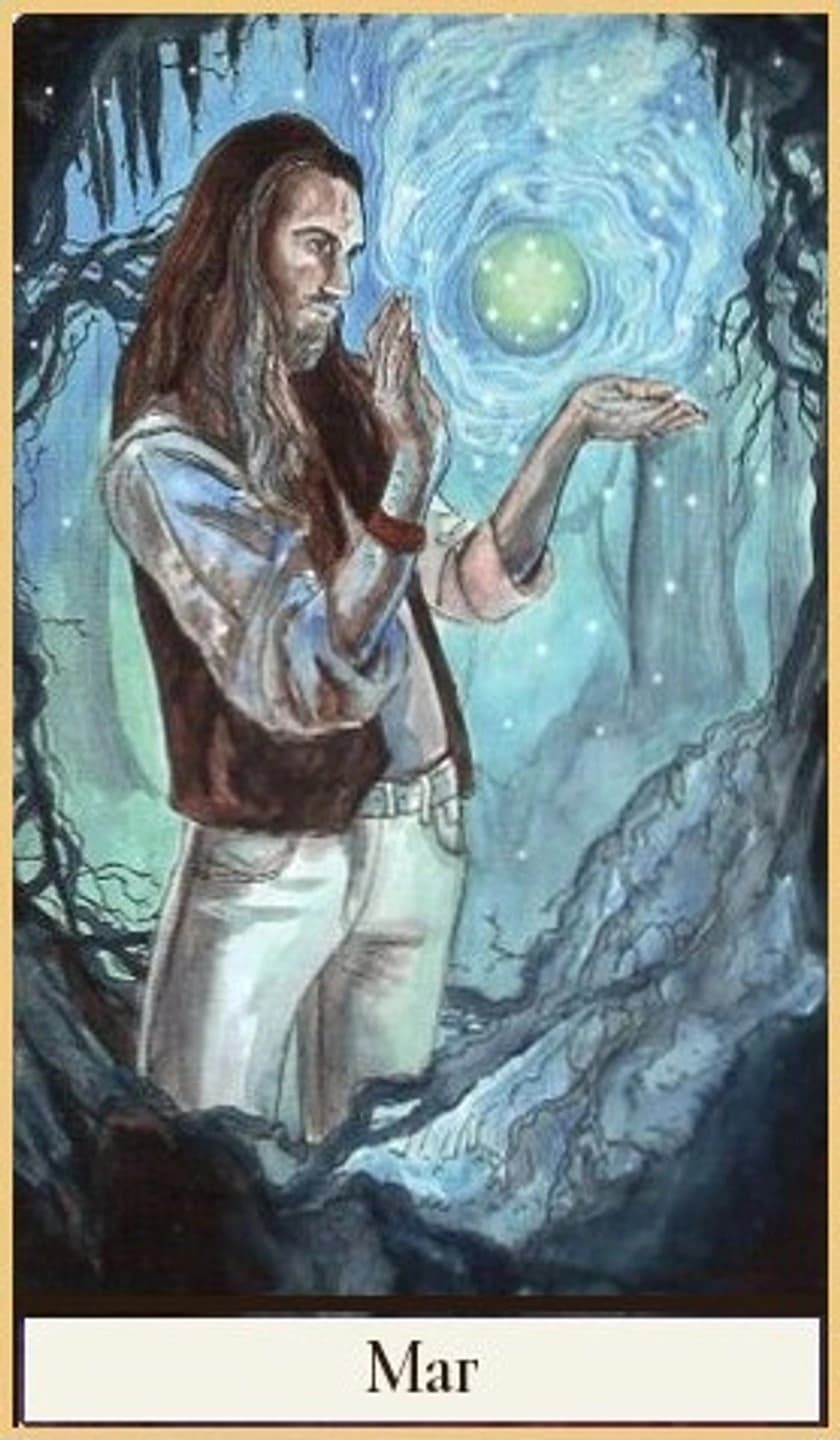
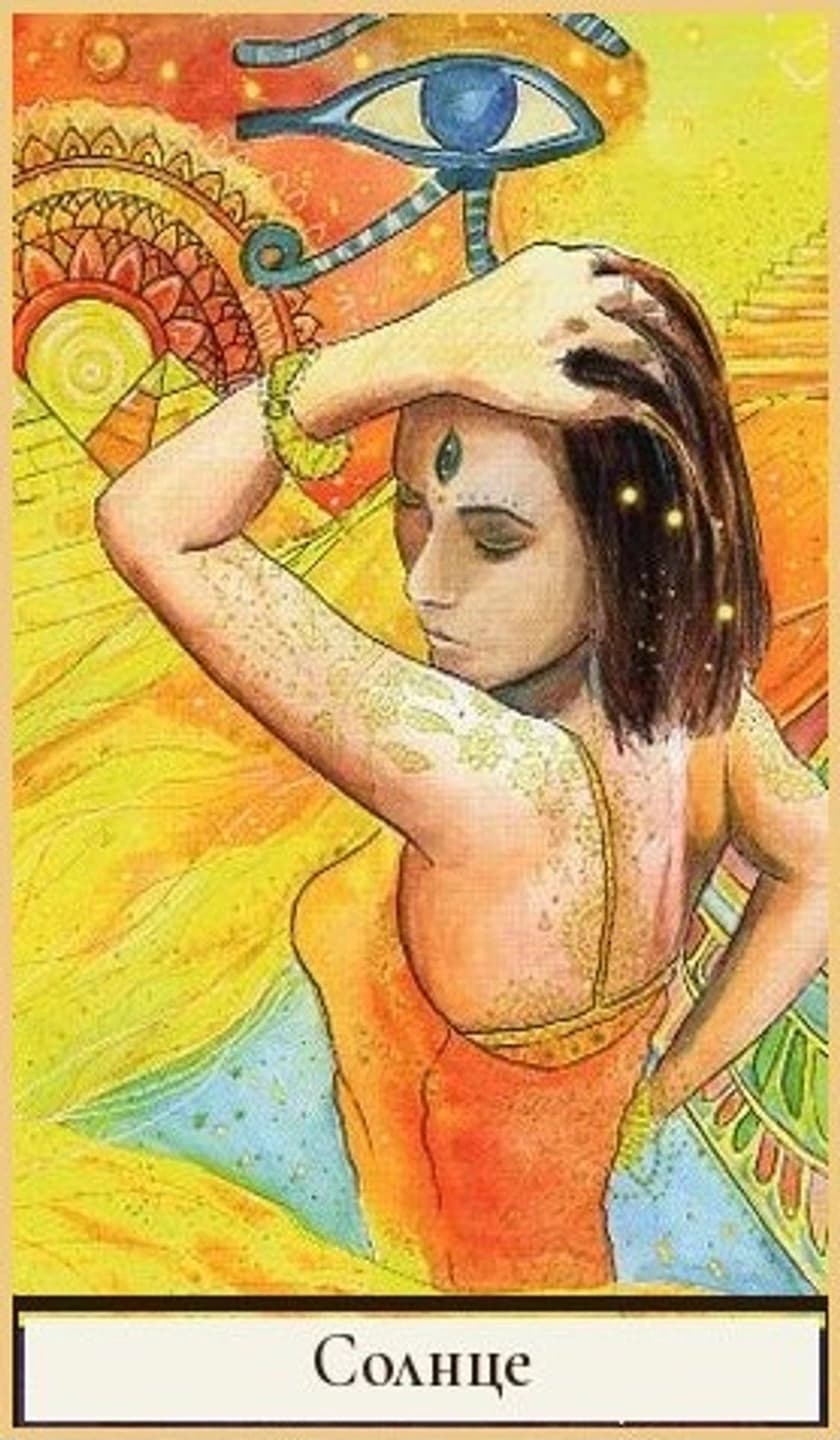
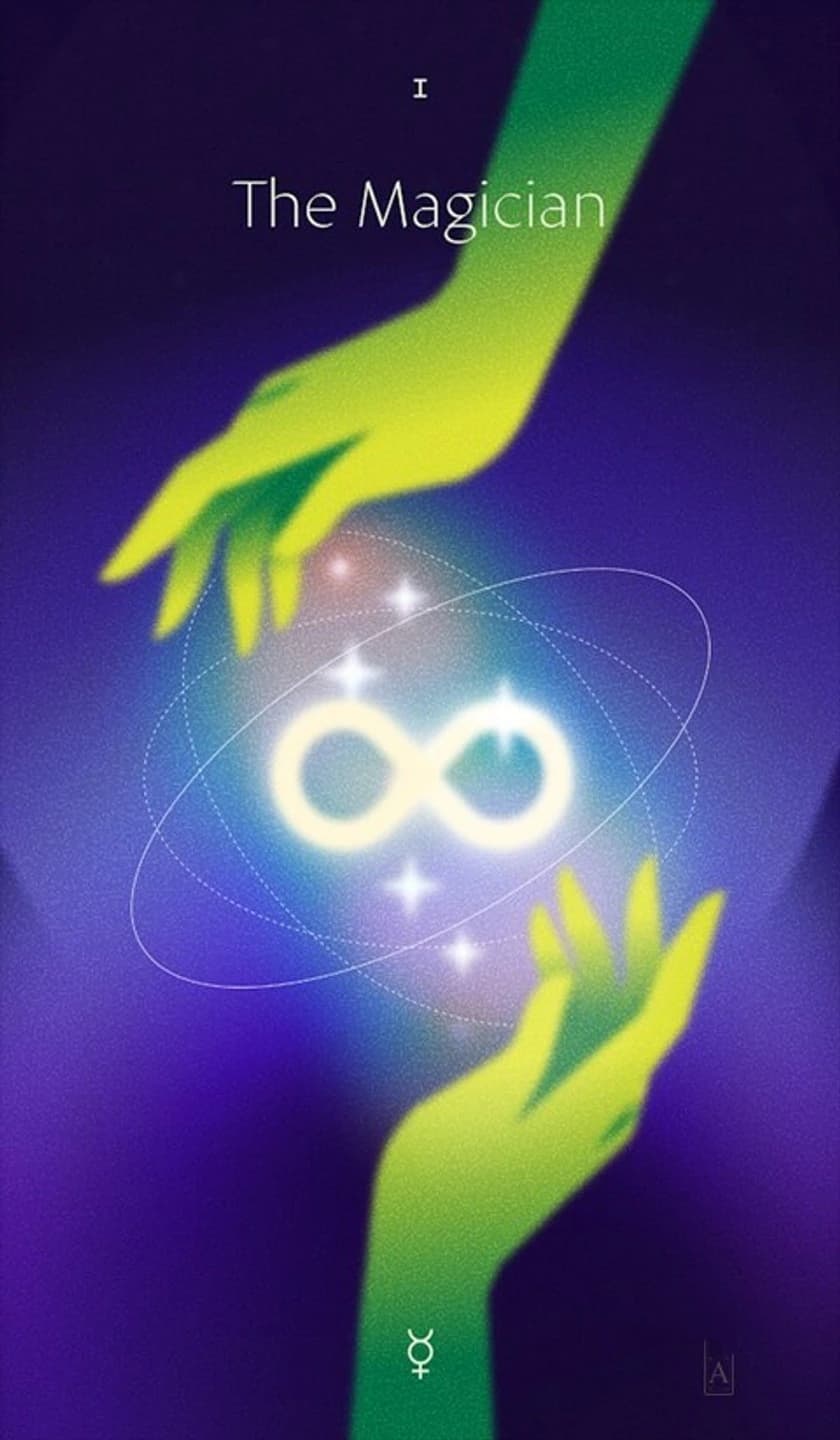
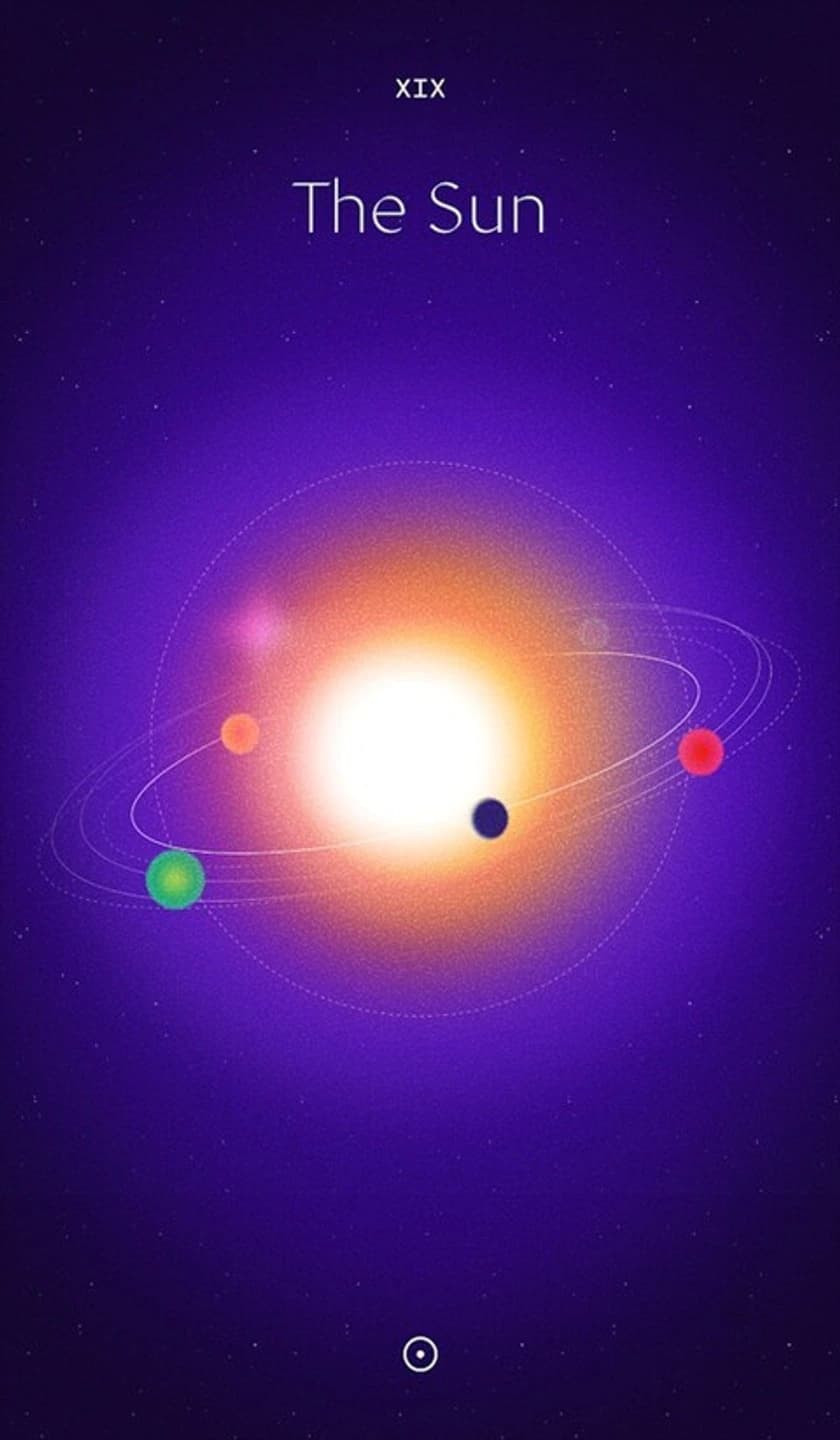
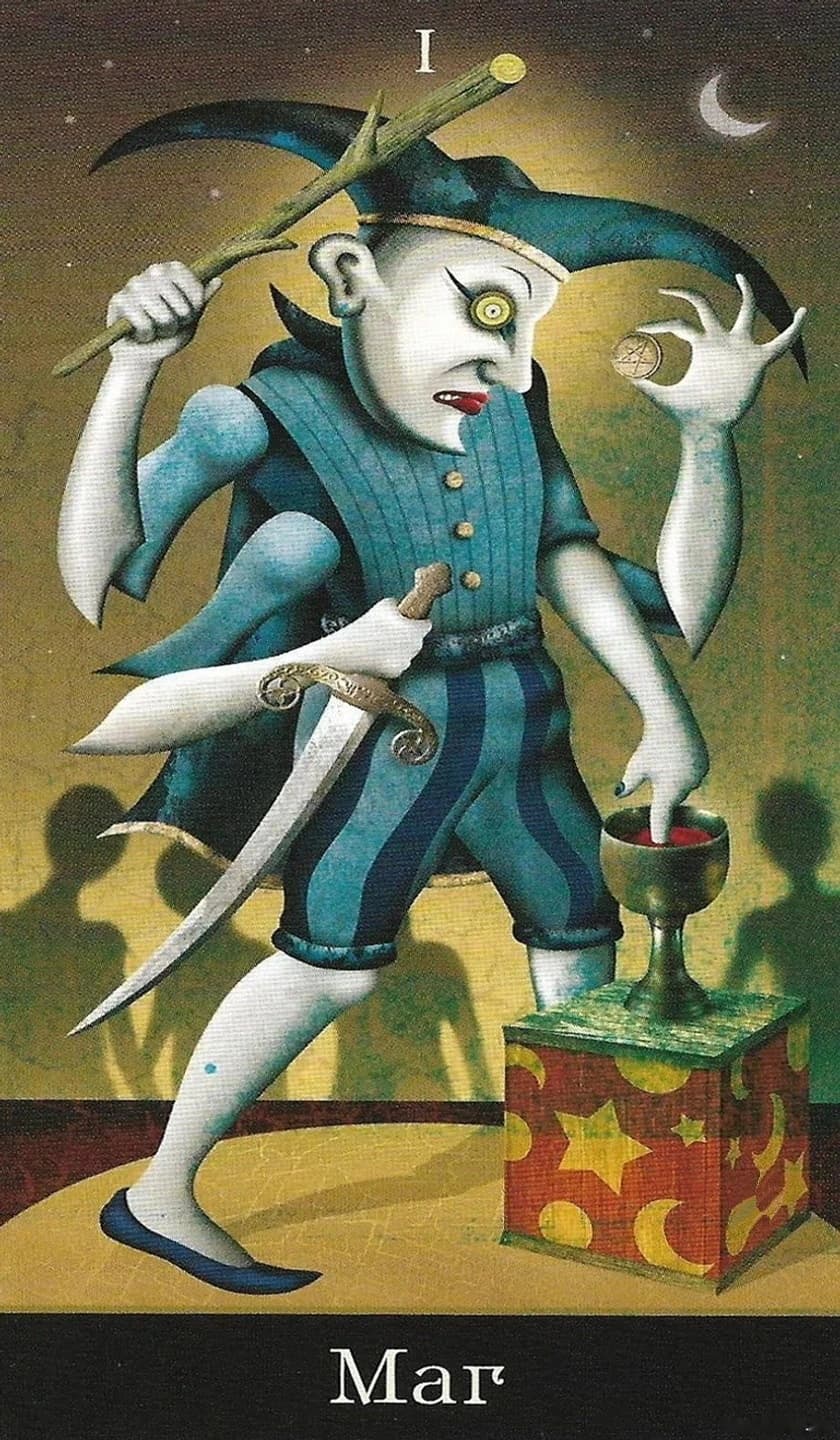
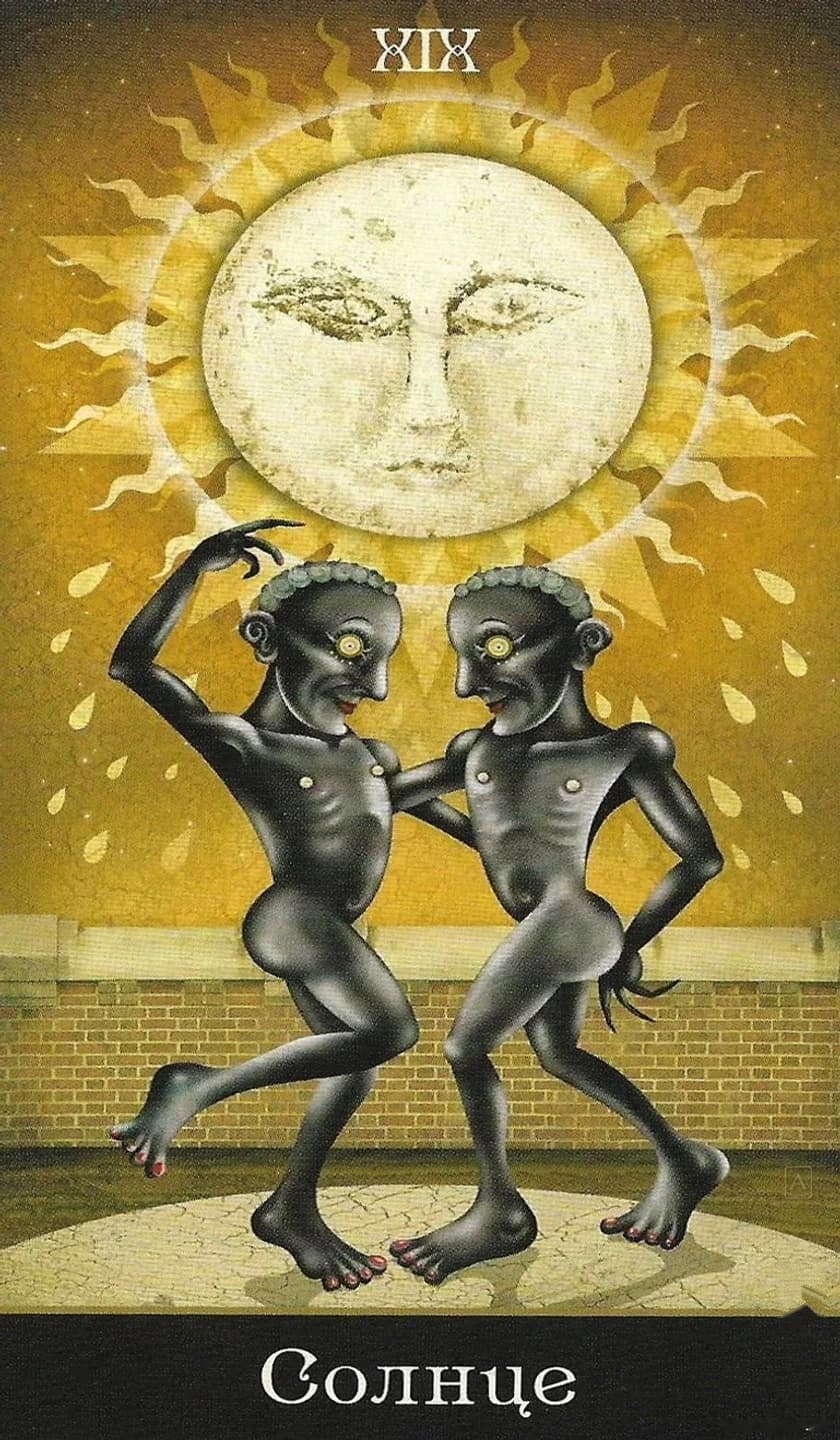
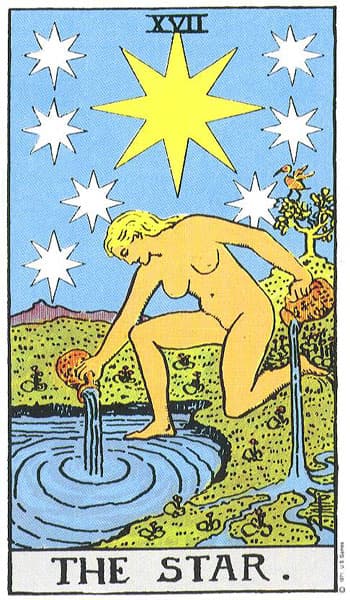
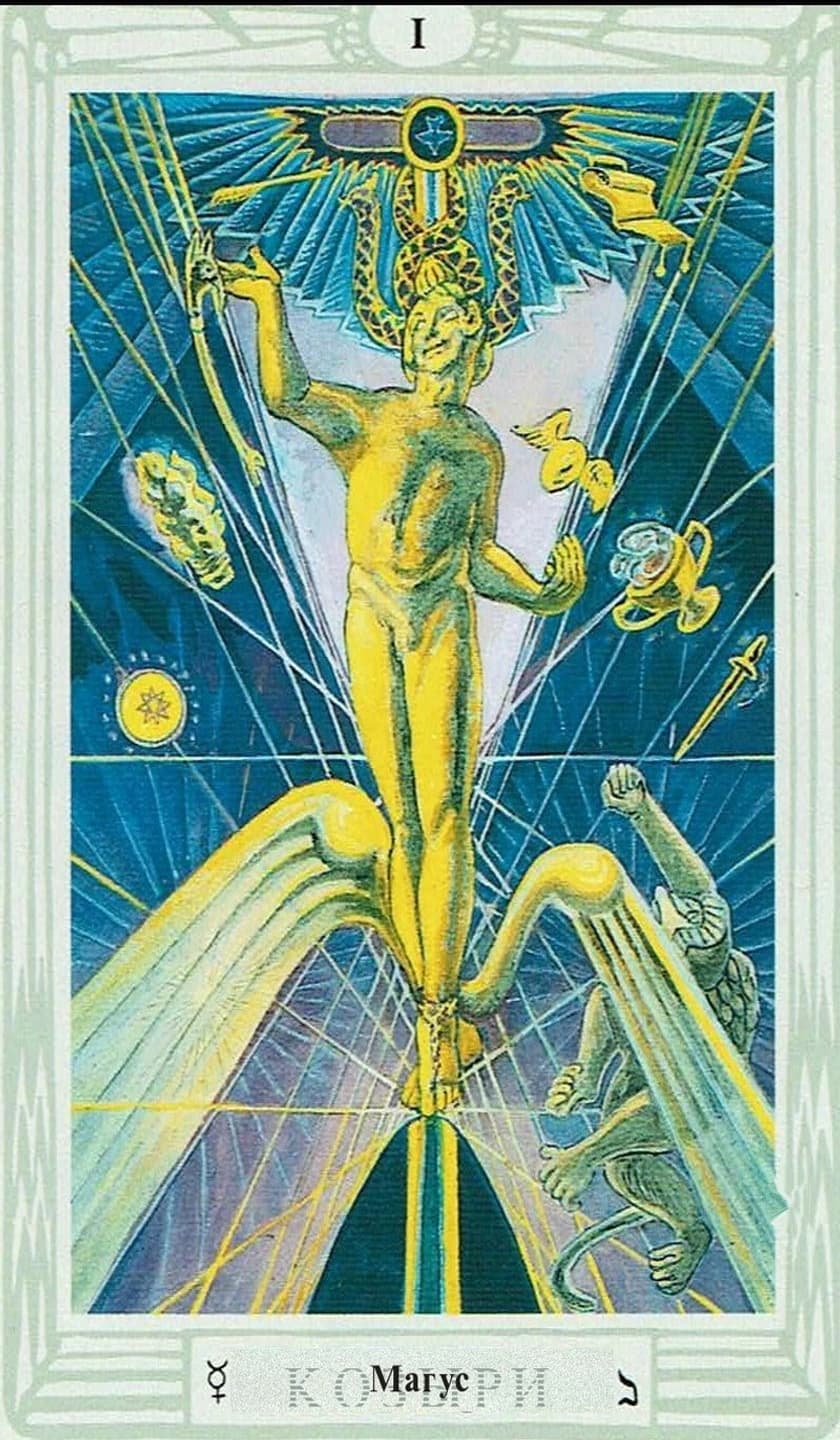
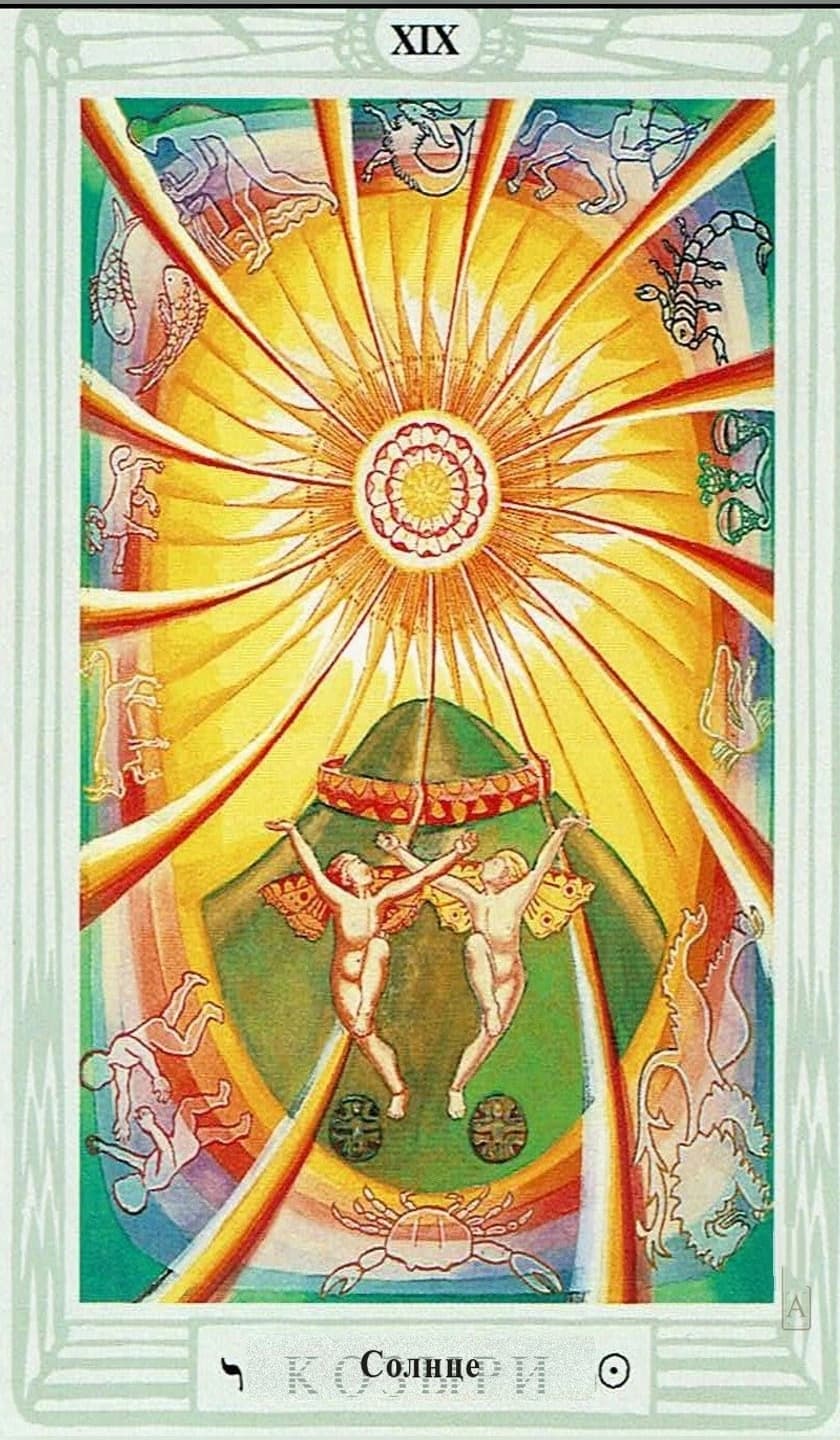
Swipe through schools — each deck is a distinct symbolic language.
Courses from the first arcana to your own readings: move through lessons at your own pace and earn stars for completed programs.

A calm introduction to tarot: what a deck is, how the arcana are organized, how to read a simple spread, and what the first Major Arcana cards mean.

The Page, Knight, Queen, and King of all four suits: how to recognize and tell them apart, and how to read them as a person, a mood, or advice.

How to use tarot to think about work, choosing a path, and resources: practical layouts, reading examples, and ethical boundaries without financial advice.

A full study of the best-known spread: from phrasing the question and the ten positions to a coherent story and a written summary.
Jump into the path that matches your practice today.
Tell it what came up and get a calm reading: the cards, how they combine, and the questions worth returning to in your spread.
Reads the drawn cards and how they combine
Helps you phrase a question for your spread
Explains the meaning of arcana and symbols
Three steps from choosing a deck to a saved interpretation — no extra screens.
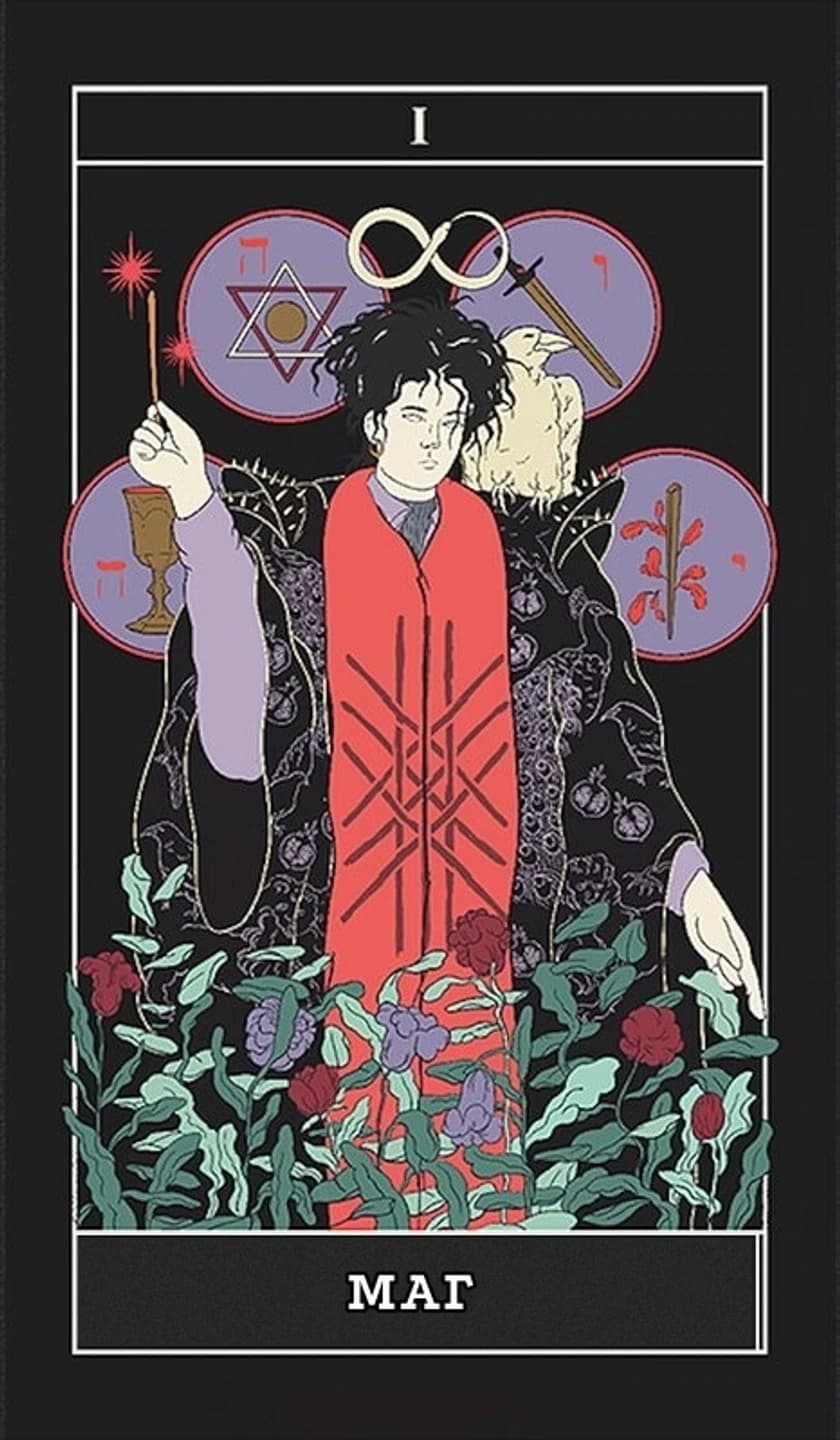
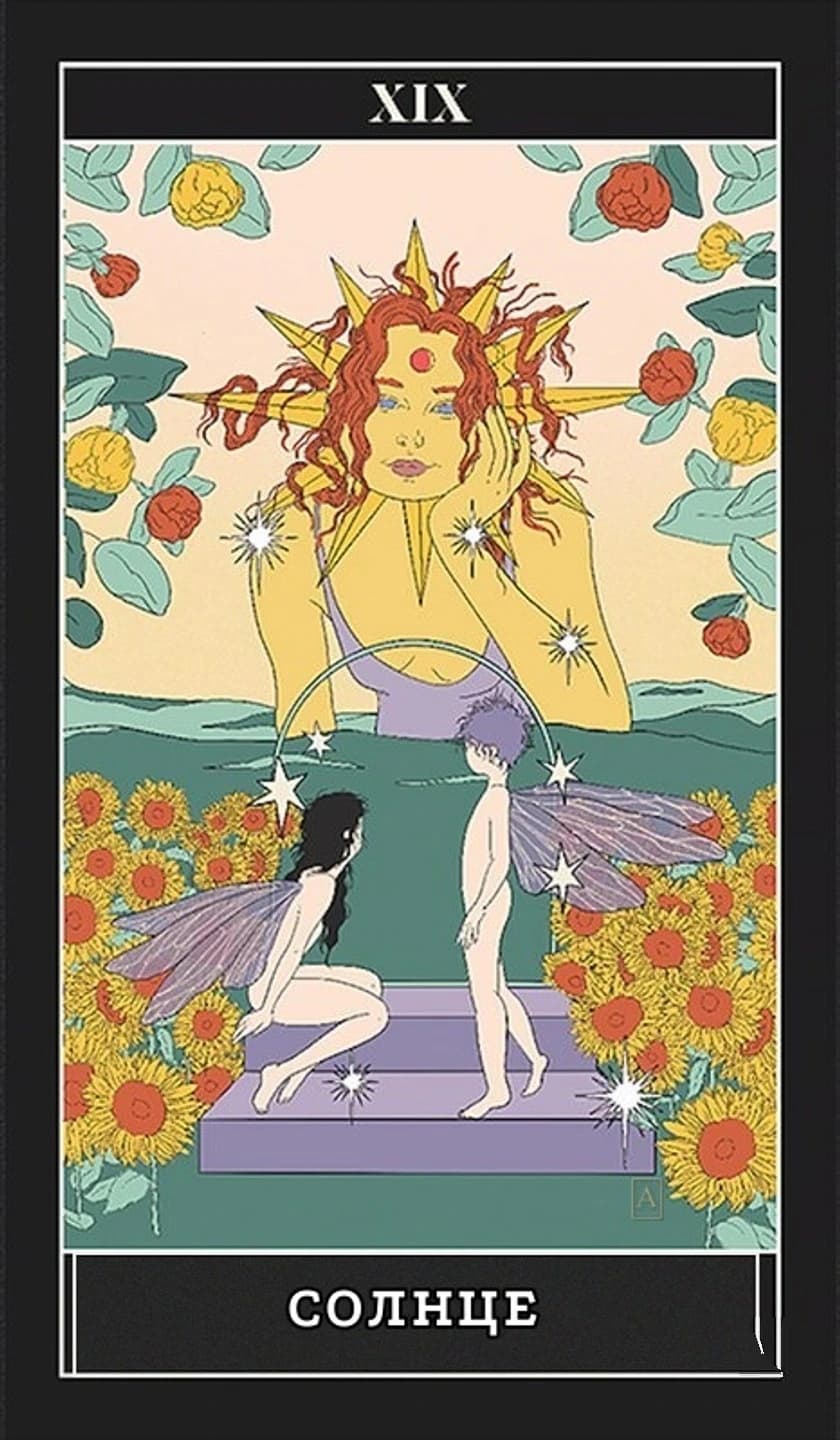
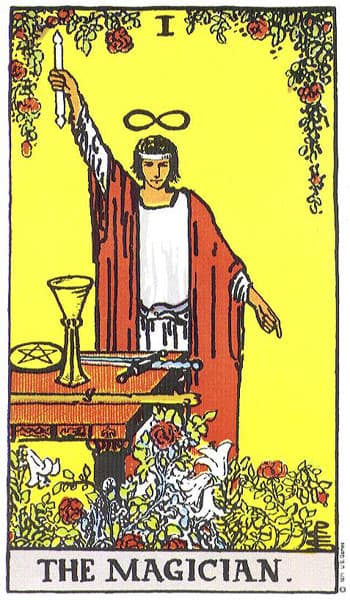
Rider–Waite, author and vintage decks — all in the shop.
Open decks in the shopFrom a single card to the Celtic Cross — a layout for your question.
Browse spreadsShuffle, pick and reveal the cards — with a reading for every position.
Make a spreadFree · no sign-up needed to try it out
Practice, symbolism and history of tarot — from your first spread to the finer points of decks.
For the Surrealists the cards were a language of the unconscious. How twentieth-century artists rewrote old symbols.
ReadThe deck bears the names of its publisher and Waite, yet the images are hers. Who Smith was and why her contribution was long undervalued.
ReadGeneral statements that fit almost anyone, and our wish to recognize ourselves. How the effect makes a reading feel “spot on.”
ReadSmall studies, preprints and reviews. What we can say with some confidence and where the evidence is thin.
ReadTarot began as a card game for the nobility in fifteenth-century Italy. Why it became a tool of divination, and what we actually know.
ReadReaders who made Tarot World part of their daily ritual.
фывфыв фыв фы вфы вфы в

фцывфы фыв фыв фы вфы в
фыв фыв фы фыв
To leave a review, create an account or sign in so we can link your review to your profile.
Suggest an idea, tell us what's missing, or report a bug — we read every message and reply by email.
Open a spread tonight or visit the shop — the cards are already shuffled.